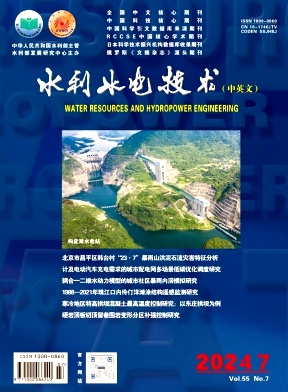
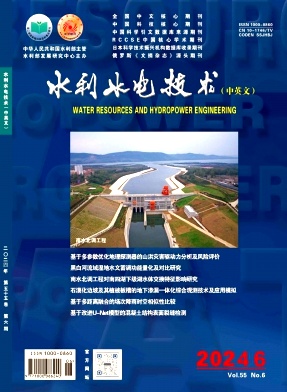
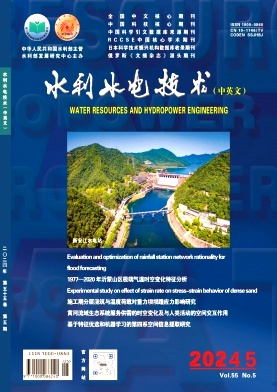
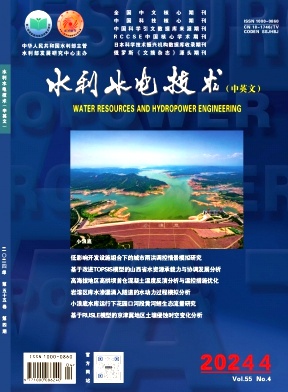
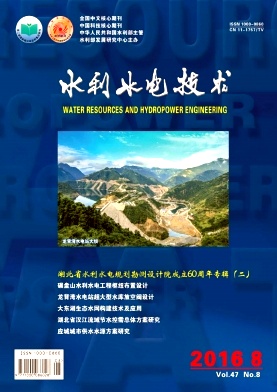
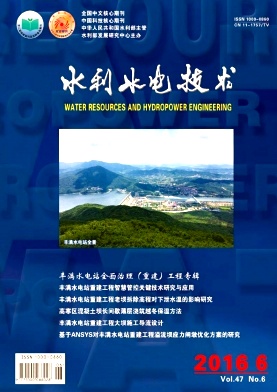
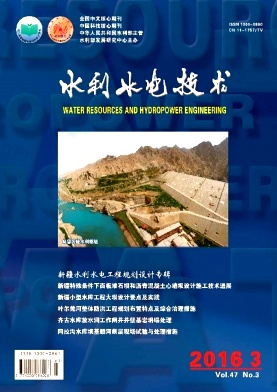
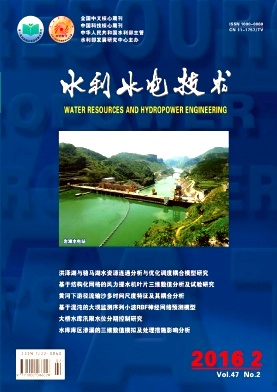
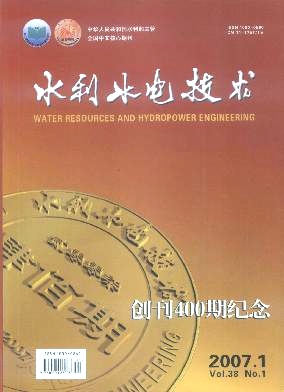
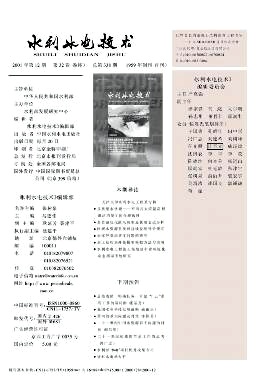
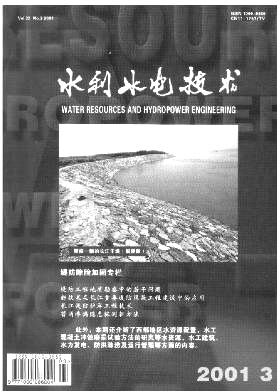
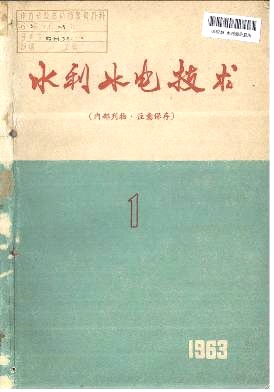
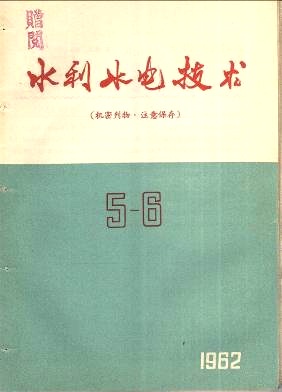
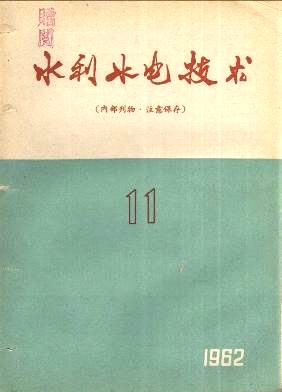
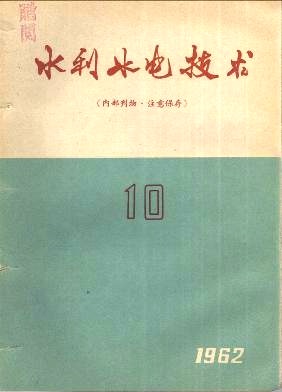
About the Journal
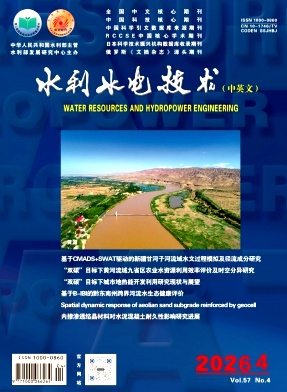
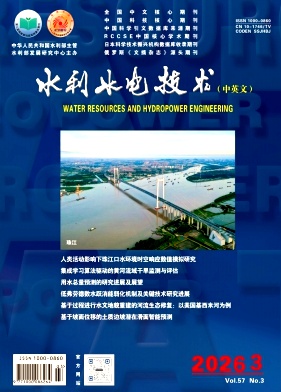
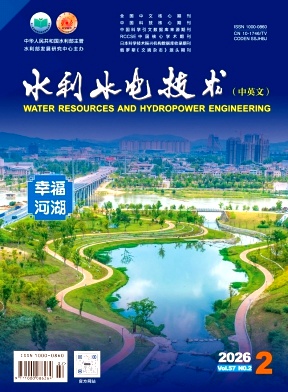
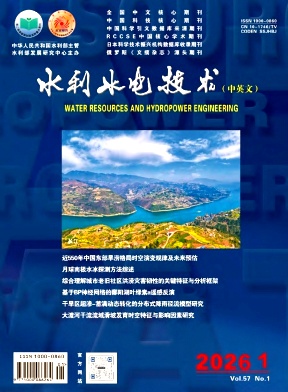
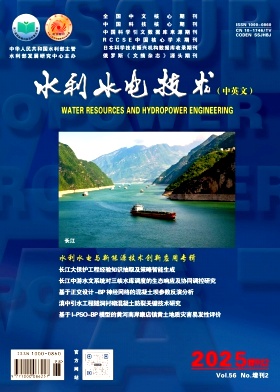
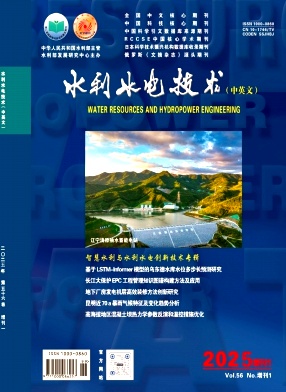
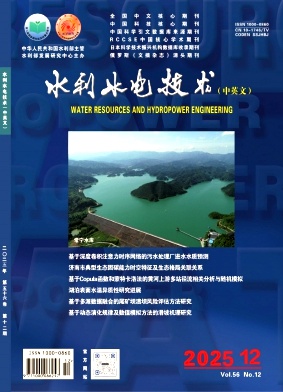
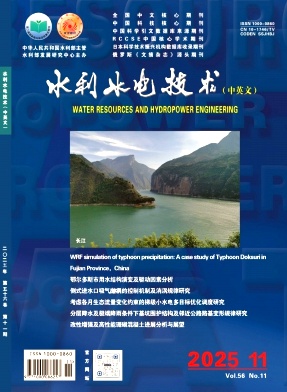
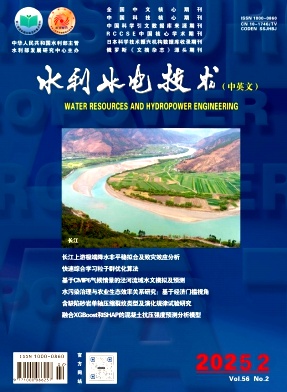
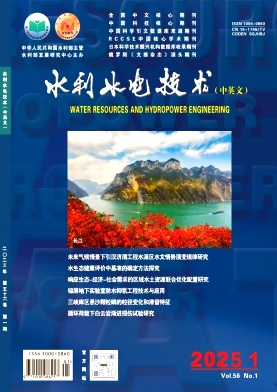
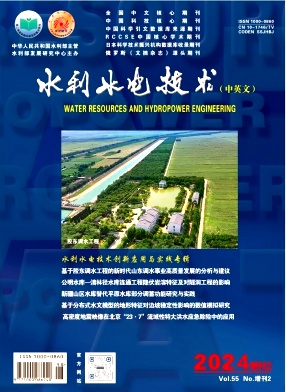
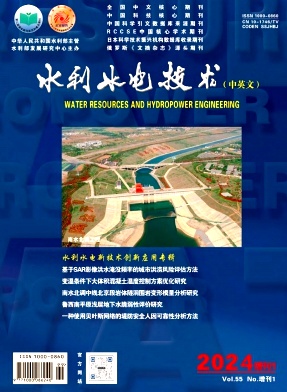
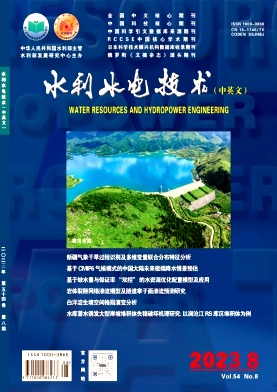
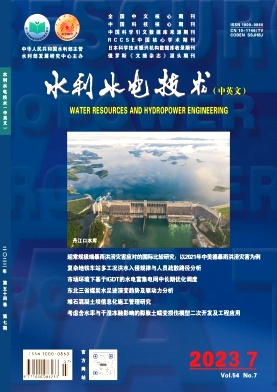
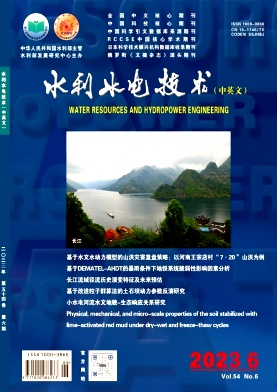
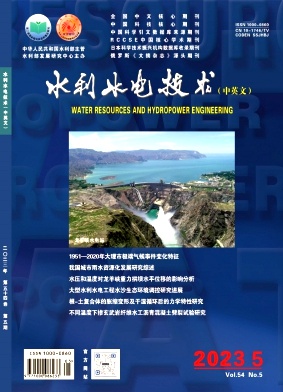
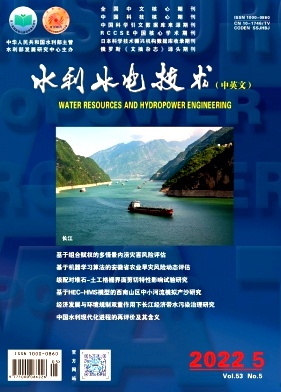
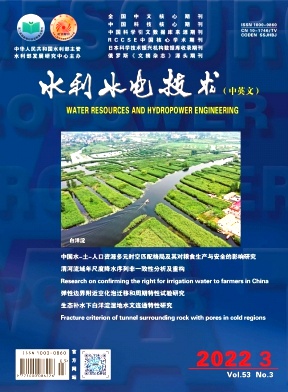
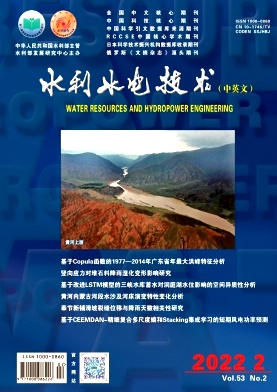
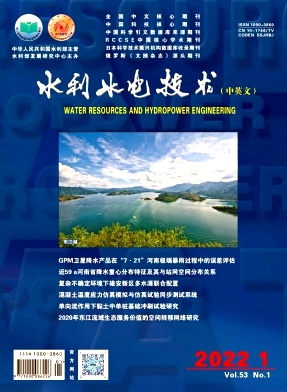
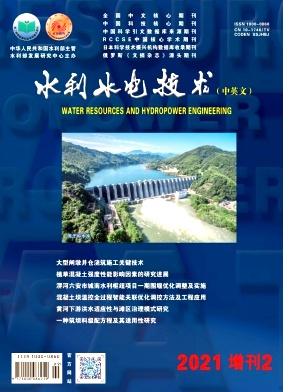
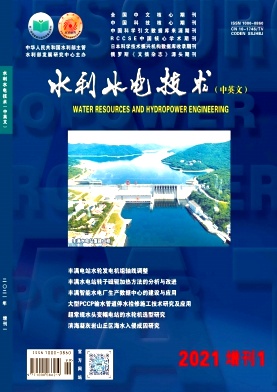
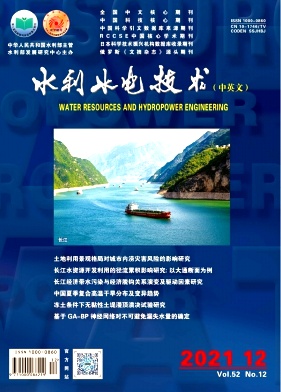
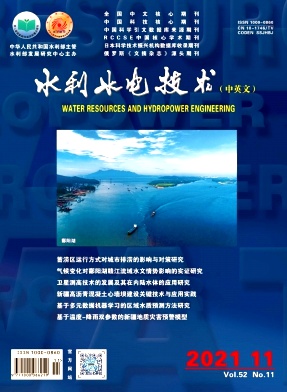
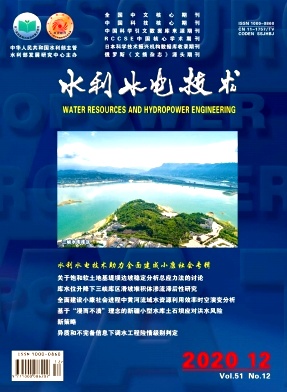
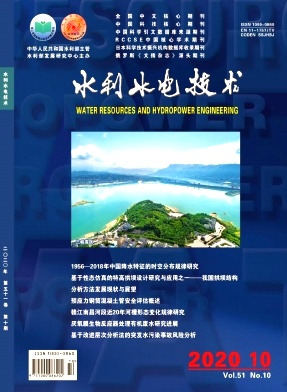
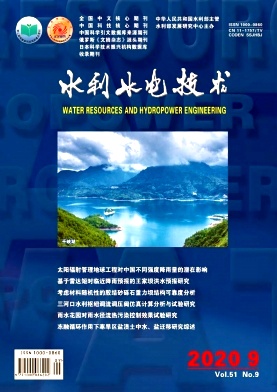
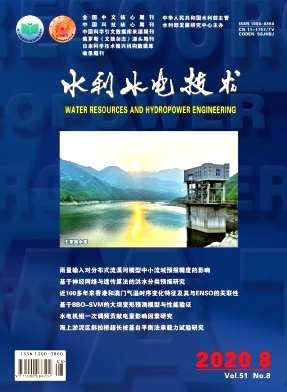
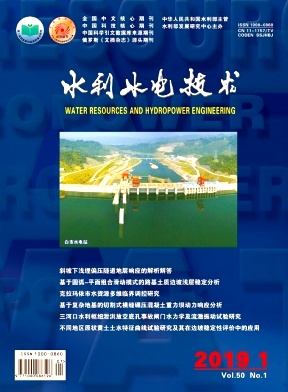
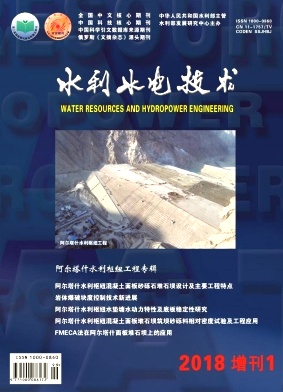
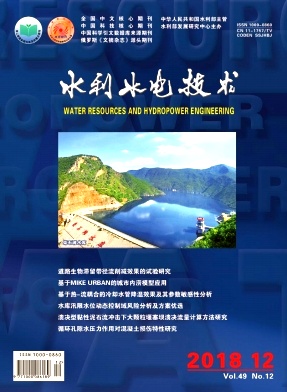
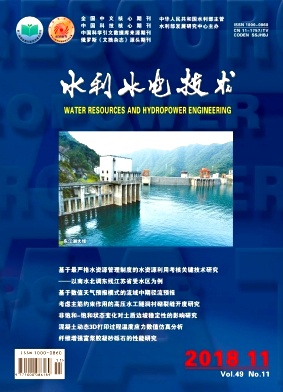
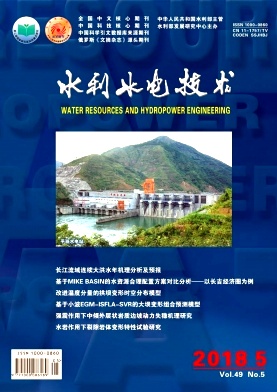
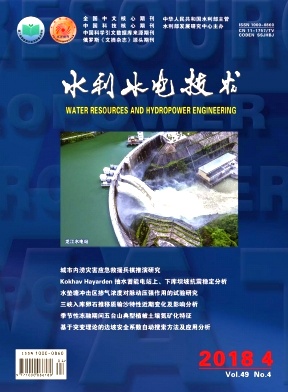
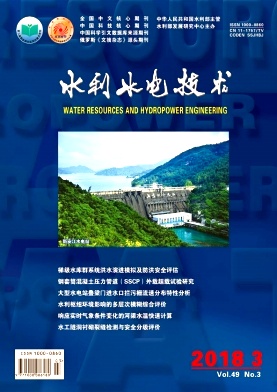
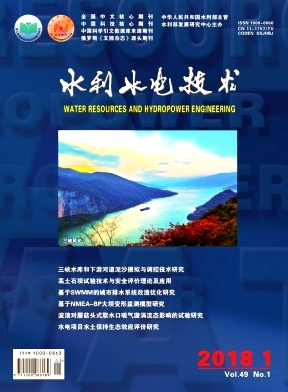
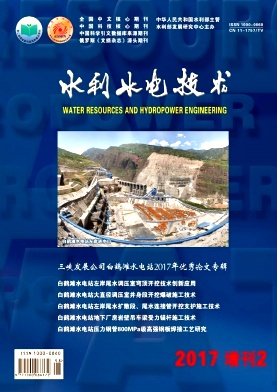
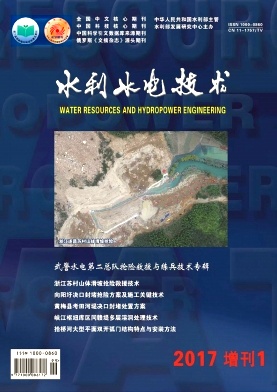
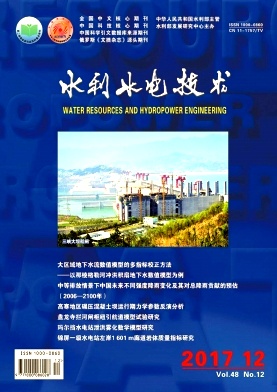
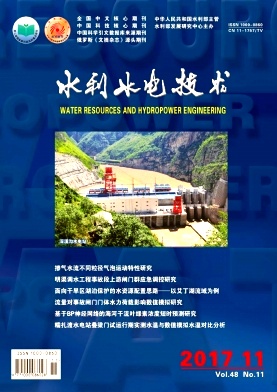
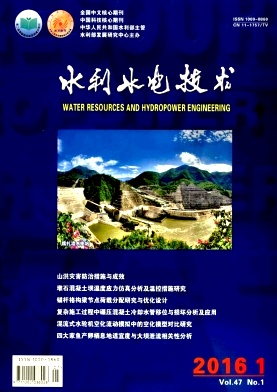
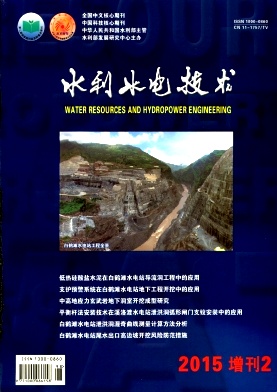
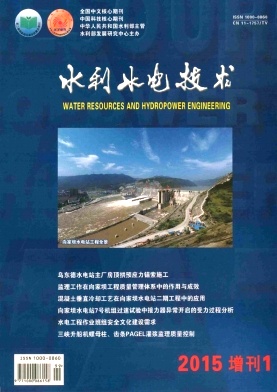
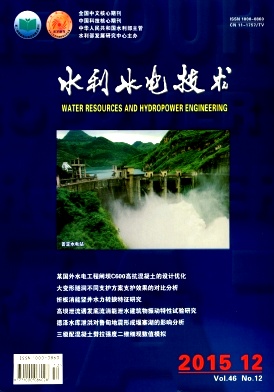
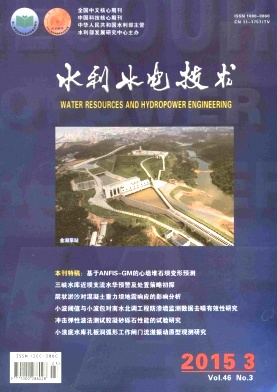
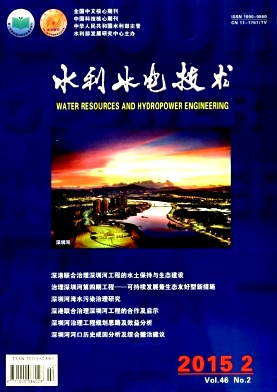
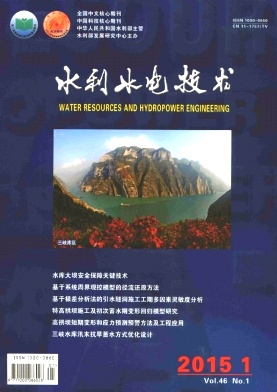
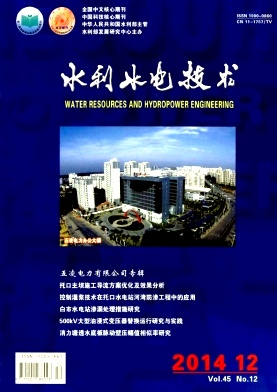
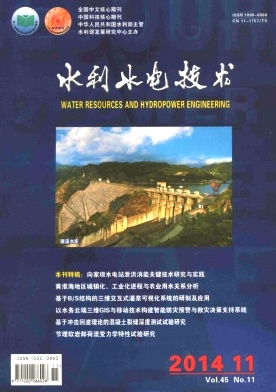
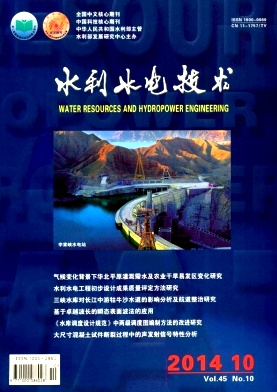
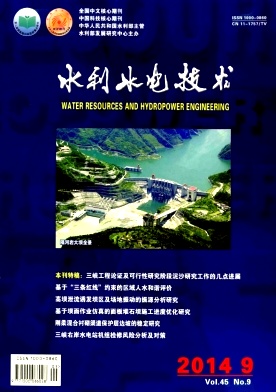
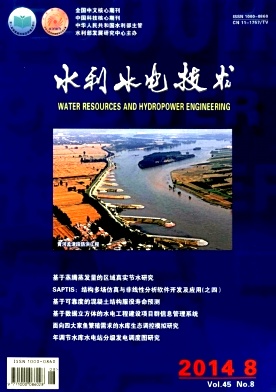
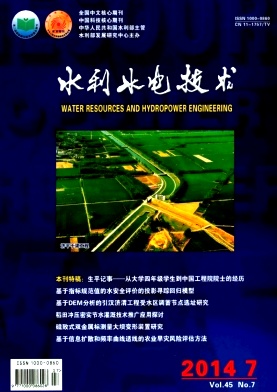
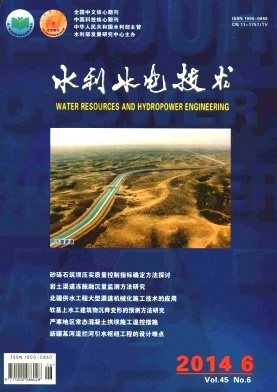
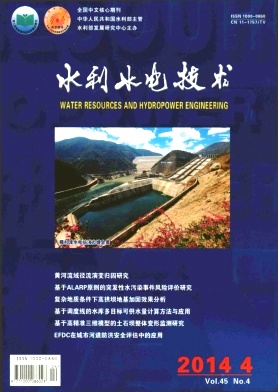
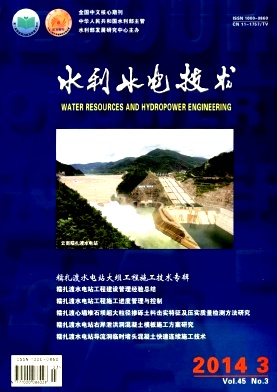
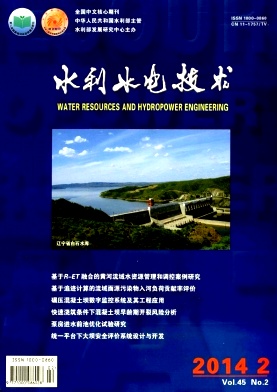
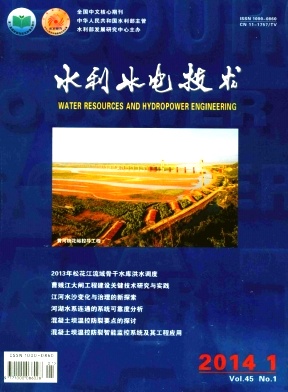
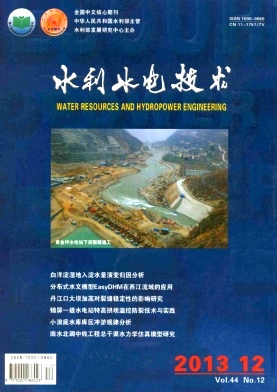
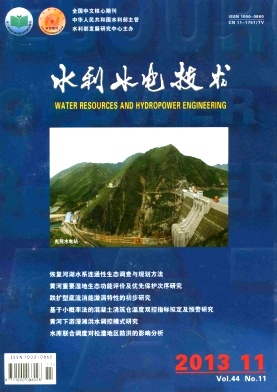
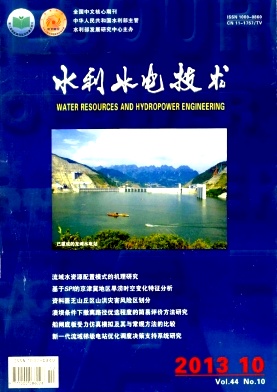
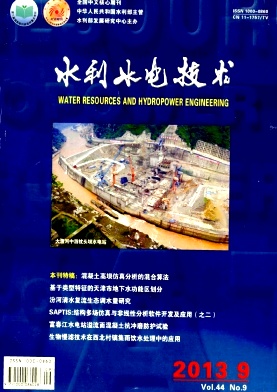
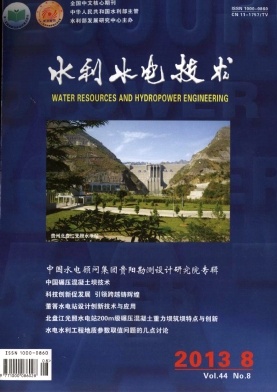
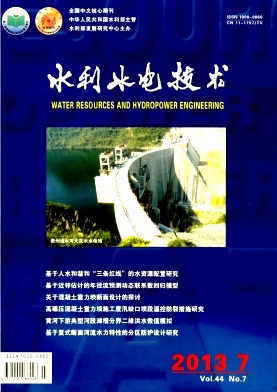
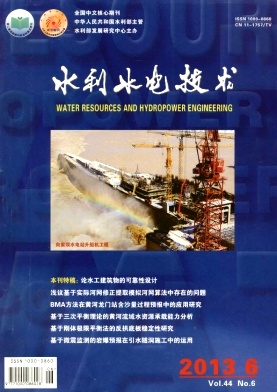
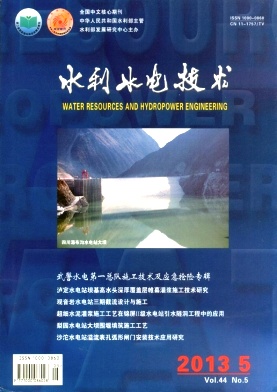
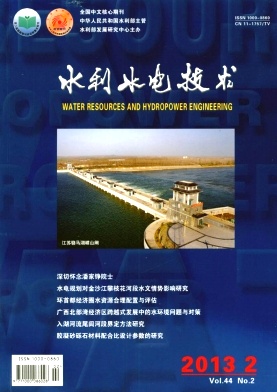
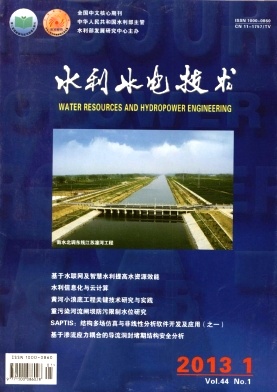
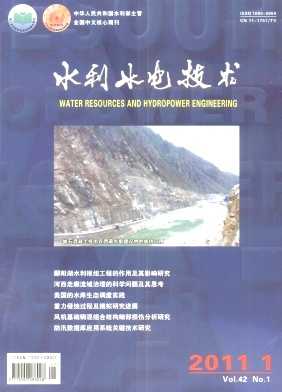
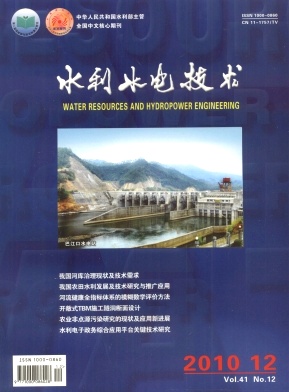
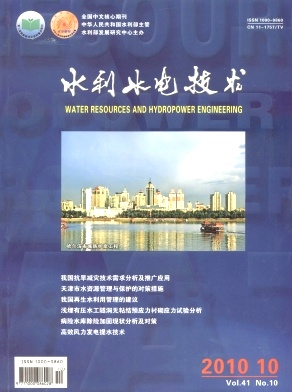
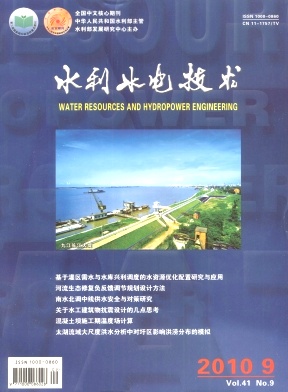
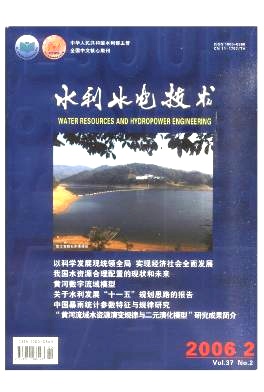
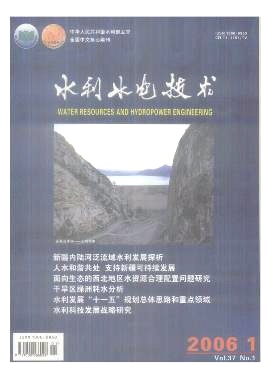
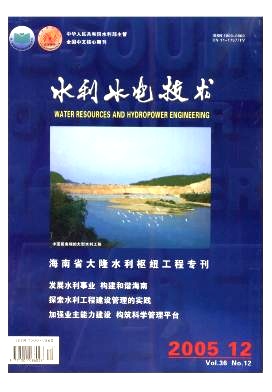
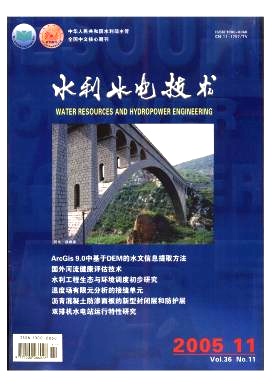
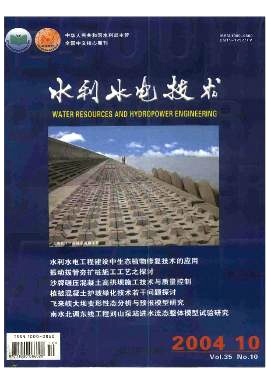
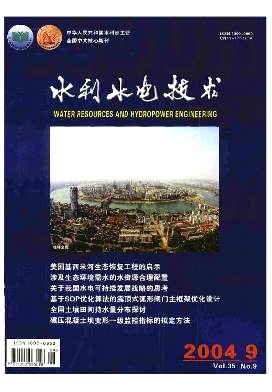
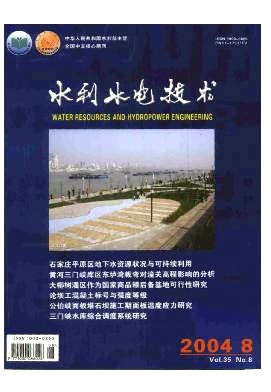
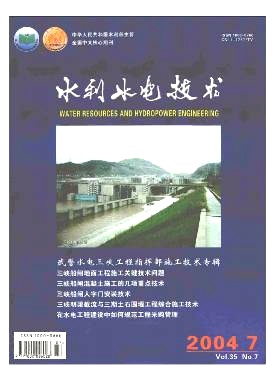
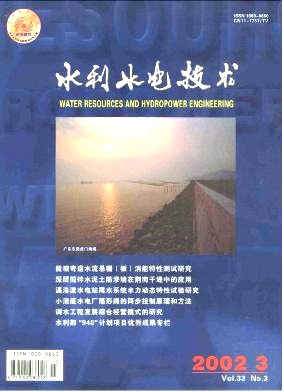
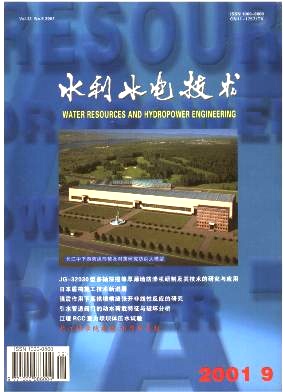
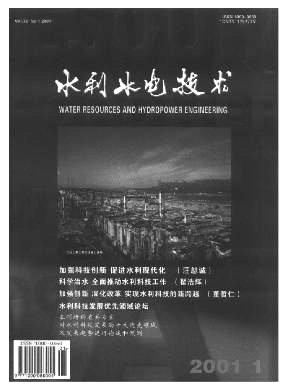
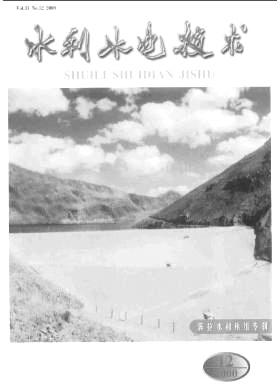
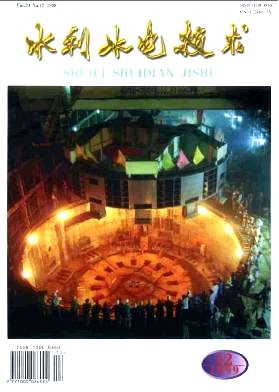
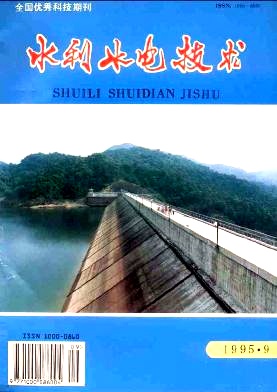
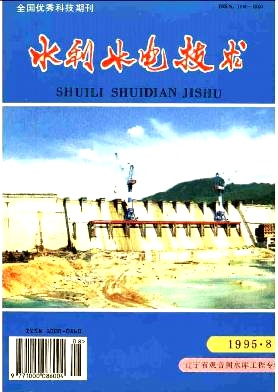
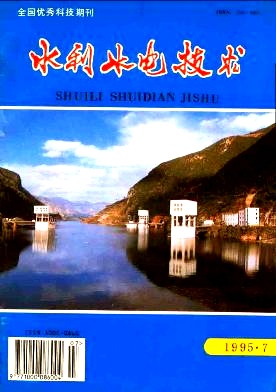
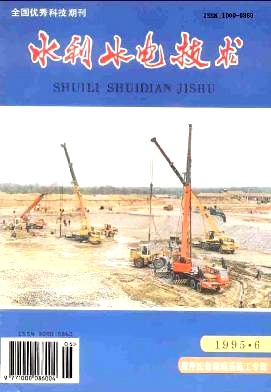
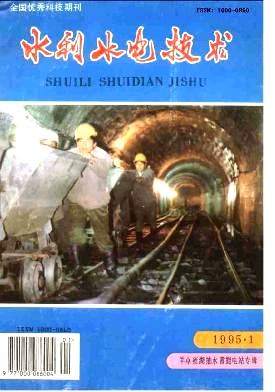
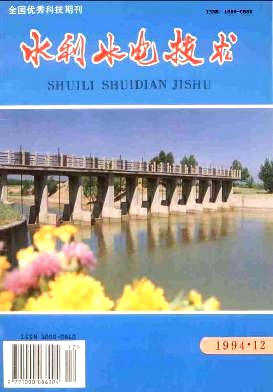
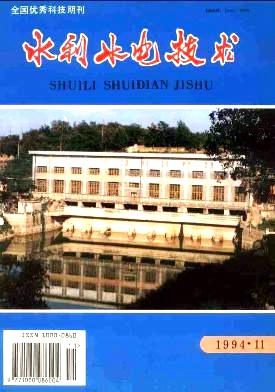
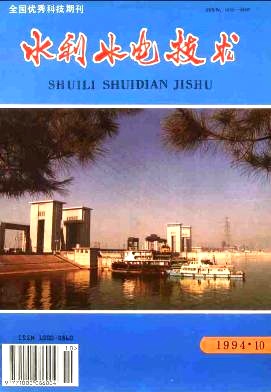
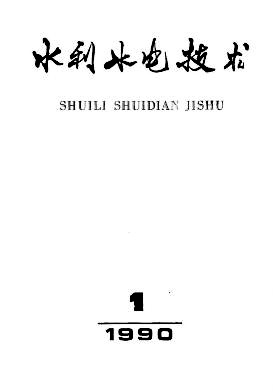
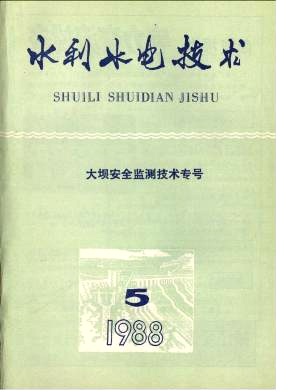
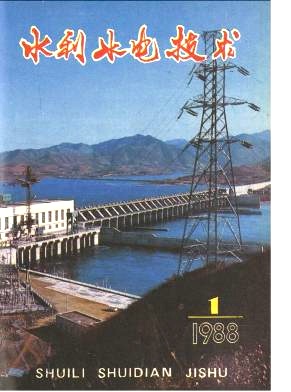
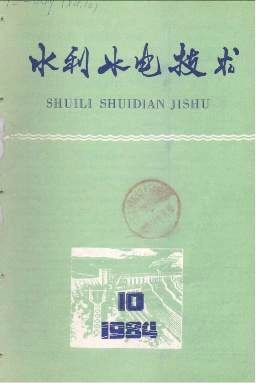
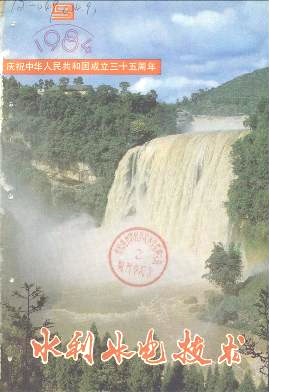
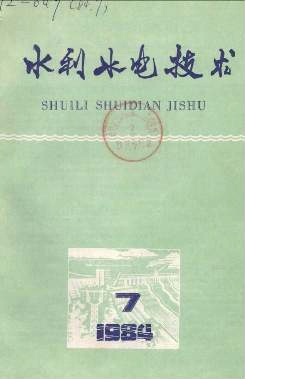
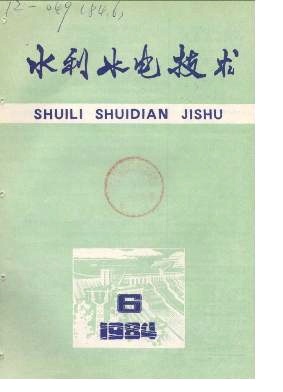
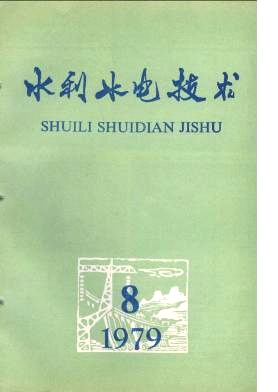
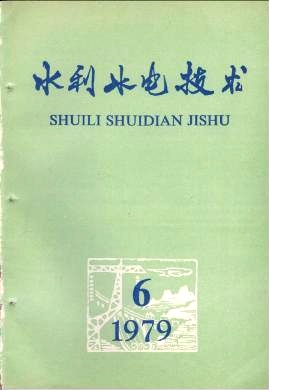
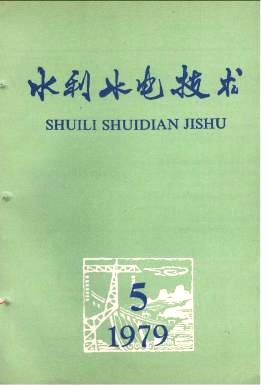
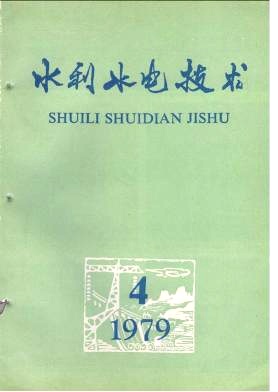
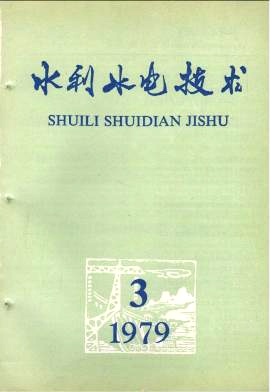
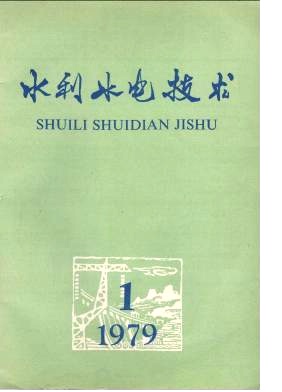
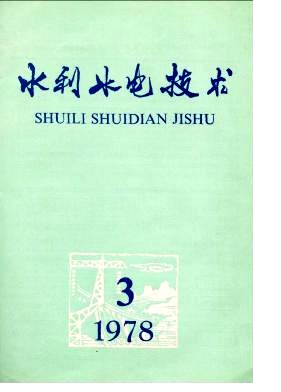
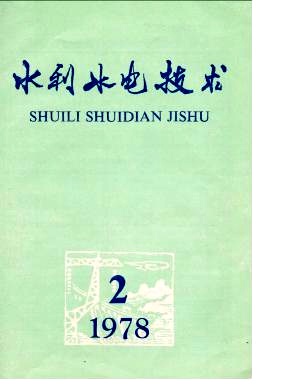
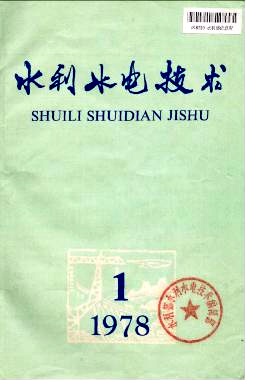
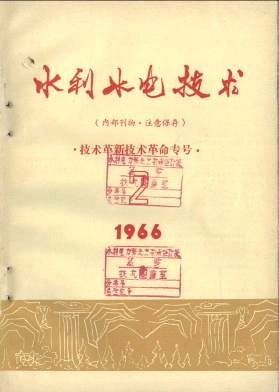
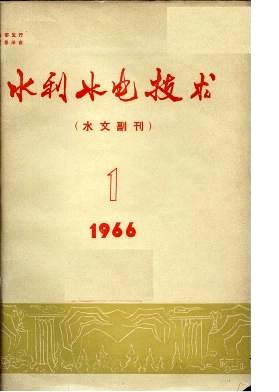
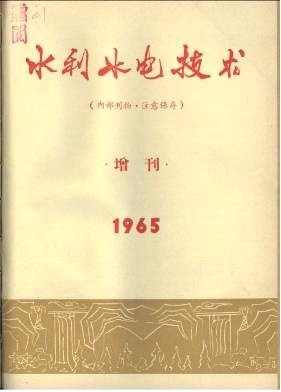
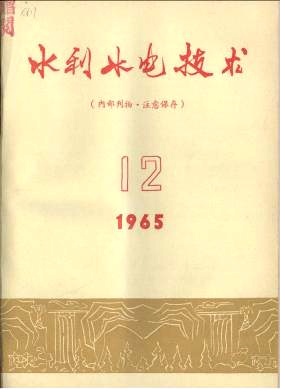
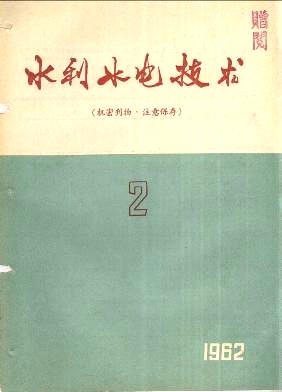
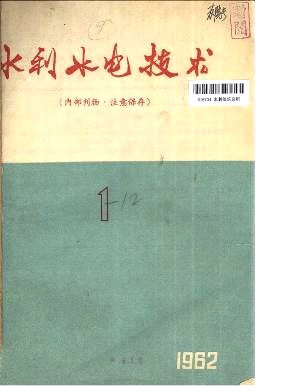
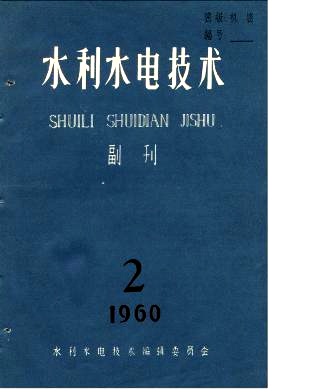
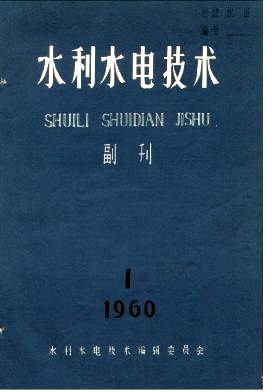
 Journal Title: Water Resources and Hydropower Engineering
Publication Cycle: Monthly(Published on the 20th of each month)
Governing Body: Ministry of Water Resources of the People's Republic of China
Sponsor: Development Research Center of the Ministry of Water Resources
Tel: 010-63205981
E-mail: 13941816@qq.com
China Standard Serial Number (CN): 10-1746/TV
International Standard Serial Number (ISSN): 1000-0860
News
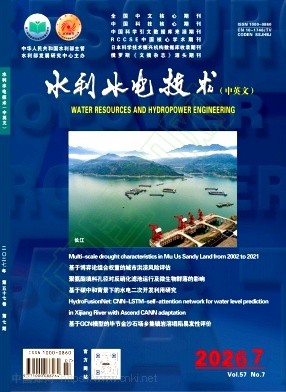
Multi-scale drought characteristics in Mu Us Sandy Land from 2002 to 2021
WANG Xiaohan;LIANG Lie;CHAO Yan;GAO Wenwei;[Objective]Global warming has led to frequent natural disasters. The spatiotemporal evolution patterns of drought in the Mu Us Sandy Land(MUSL) are investigated.[Methods]Based on high-resolution meteorological data from 2002 to 2021, multiple method were employed, including percent of normal precipitation(PNP), empirical orthogonal function(EOF), Mann-Kendall(M-K) test, and wavelet analysis, to analyze the spatiotemporal characteristics of drought in this region across multiple time scales.[Results]The result showed that:(1) except for the monthly scale, where the drought trend was insignificant, all other time scales showed a significant alleviating trend, which was more pronounced at longer time scales.(2) Drought was spatially distributed in a central radiating pattern, with the central area experiencing more severe drought and being more sensitive to responses. Short-term droughts were characterized by intense fluctuations and frequent wet-dry transitions, while long-term droughts persisted for extended durations with weaker fluctuations.(3) PNP detected more extreme drought events at short-term time scales, exhibiting irregular periodic changes. In contrast, droughts at long-term time scales persisted for extended durations with more stable cycles, and showed significant changes around 2011.[Conclusion]These findings reveal the multi-scale characteristics of drought in the MUSL, which can provide a scientific basis for the evaluation and application of drought indicators at different time scales, regional drought monitoring, and the formulation of disaster prevention measures.
Analysis of non-stationary hydrological drought in Alagou River Basin of Turpan based on GAMLSS model
ZHU Xiaoyu;MU Zhenxia;SONG Zhilin;WANG Teng;CHEN Longyao;[Objective]In the context of climate change and intensified human activities, traditional hydrological drought indices based on the stationarity assumption struggle to accurately characterize the actual drought conditions. To scientifically evaluate hydrological drought under non-stationary conditions, it is necessary to develop a novel drought assessment method that can integrate both natural and human impact factors.[Methods]Based on multi-source data, the natural runoff series during the disturbance period was reconstructed, and the human activity index(HI) was quantified after comparing the performance of long short-term memory(LSTM) and random forest(RF) machine learning models. Using the generalized additive models for location, scale and shape(GAMLSS) model, stationary and non-stationary models were constructed with precipitation, temperature, and HI as covariates, and the stationary hydrological drought index(SRI) and non-stationary hydrological drought index(NSRI) were calculated. Based on the performance comparison of the two indices, the characteristics of hydrological drought under non-stationary conditions were revealed using Copula functions.[Results]The result showed that:(1) the runoff series in the study area underwent an abrupt change in 1988, exhibiting significant non-stationary characteristics, with runoff increasing by 35.5% after the change point.(2) The fitting performance of the non-stationary model was superior to that of the stationary model in all months, with the model combination including HI showing the best performance. Compared with SRI, NSRI was more accurate in identifying the process and severity of typical drought events, while the SRI showed significant underestimation.(3) From 1989 to 2020, a total of 37 hydrological drought events occurred in the river basin, with an average duration of 2.97 months and an average severity of 3.27. The overall drought trend was intensifying, with spring droughts characterized by long duration and high severity, while summer droughts exhibited short duration and high frequency.(4) Joint probability analysis based on Copula functions indicated a negative correlation between drought duration and severity. The joint return period(12.9 years) of hydrological drought was significantly shorter than the co-occurrence return period(113.4 years).[Conclusion]The constructed NSRI characterizes non-stationary drought processes more accurately than traditional method by coupling climate and human activity factors, and human activity is identified as a key driver of drought evolution. During the disturbance period, hydrological drought in the river basin has intensified. The findings can provide a scientific basis for water resource management and risk prevention in arid areas.
Research on hydrological drought trends in water source area of South-to-North Water Diversion Middle Route Project under different climate scenarios
LI Duofen;LIU Zhao;BAI Yu;GUAN Zilong;ZHANG Jinxia;ZHANG Jiaqi;HE Zhaoliang;[Objective]Future evolution of hydrological drought in the water source area of the South-to-North Water Diversion Middle Route Project under climate change is quantified, providing a basis for the security management and scheduling optimization of water resources for the project.[Methods]Downscaled data under the SSP1-2.6, SSP2-4.5, and SSP5-8.5 scenarios from the CMCC-ESM2 model in CMIP6 were used to drive the SWAT model to simulate the runoff processes in the water source area for the future period(2026—2100). The Mann-Kendall trend test and the annual-scale standardized runoff index(SRI) were applied to identify evolution trends of runoff and hydrological drought.[Results]Compared with the baseline period(1970—2020), the future multi-year average runoff in the water source area showed an increasing trend under different climate scenarios, and the magnitude of increase expanded as radiative forcing intensified. The upper-reach Hanzhong station exhibited the most pronounced increase and trend significance, while the runoff increment was most notable at the downstream Baihe station. Significant spatial heterogeneity was observed in the future hydrological drought across the water source area. Under the SSP1-2.6 scenario, the drought frequency in the middle and lower reaches decreased to 0.33~0.45, and the drought severity was reduced compared with the baseline period. Under the SSP2-4.5 and SSP5-8.5 scenarios, the drought frequency in the upper reach increased to 0.40~0.45, and the maximum increases in drought duration and severity at the Ankang station reached 22.1% and 23.4%, respectively.[Conclusion]The water source area exhibits pronounced spatial differences in its response to climate change. Under low-to-medium emission scenarios, Hanzhong and Baihe stations are characterized by a “high-frequency, short-duration, and low-severity” pattern. Under high-emission scenarios, droughts in the middle and lower reaches tend to become more persistent and intense, imposing greater demands on water resource allocation and drought mitigation in the future for the Middle Route Project.
Urban flood risk assessment based on game theory-based combination weighting method
LU Xin;LI Fengsen;XIE Xindong;ZOU Yingjiang;WANG Zhichao;XUE Baizhang;HUANG Xuhua;WANG Jian;WANG Xiule;Jiangxi Academy of Water Science and Engineering;[Objective]Flood risk assessment is crucial for developing regional disaster prevention and mitigation systems. However, current research focuses mainly on large-scale areas such as counties and cities, with limited attention to small-scale urban districts. The aim is to effectively assess urban flood risk and enhance the refinement level of risk assessment.[Methods]A flood risk assessment method suitable for urban areas was established by integrating the MIKEFLOOD hydrodynamic modeling technique with a game theory-based combination weighting model. Taking the urban area of Dexing City as an example, multi-source data were collected, including rainfall and runoff process from 12:00 on June 18 to 12:00 on June 23, 2022, a high-resolution digital elevation model(DEM) of the urban area obtained from UAV aerial photography, and measured river cross-sections. A MIKEFLOOD hydrodynamic model for the Dexing urban area was then constructed for flood simulation. After validating the model, four hazard indicators were selected based on the flood simulation result: maximum inundation depth, maximum inundation duration, maximum inundation area, and maximum inundation flow velocity. These were combined with indicators of environmental vulnerability and disaster-bearing body exposure to establish an urban flood disaster risk assessment system. To address the indicator weighting problem within the assessment system, game theory was innovatively introduced to effectively integrate subjective experience with objective data information, thereby overcoming the limitations of single weighting method. This enabled systematic analysis of the flood disaster risk indicators and effective assessment of flood disaster risk in the Dexing urban area.[Results]The result showed that there were 22 communities in the Dexing urban area, among which 13 were classified as high-risk, including Xinyingyi Village(high-risk area of 0.115 km2), Shangzhou Community(0.067 km2), Tianmenshan Community(0.034 km2), Suihanshan Community(0.024 km2), Jishui Community(0.020 km2), Shuilvqiao Community(0.019 km2), Yinshan Community(0.013 km2), Nanmen Community(0.012 km2), Kentangshan Community(0.011 km2), Yinquan Community(0.011 km2), Wuyuan Community(0.009 km2), Shengliting Community(0.004 km2), and Wuanlu Community(0.002 km2).[Conclusion]The result indicate that the MIKEFLOOD model demonstrates good accuracy and reliability in urban flood simulation, effectively revealing the spatial distribution characteristics of flood in urban areas. The high-precision DEM obtained via UAV aerial photography is crucial for urban flood risk assessment, as it not only provides accurate topographic information for the MIKEFLOOD model but also offers a reliable basis for environmental vulnerability analysis. For small-scale urban areas, UAV aerial surveying should be used to obtain elevation data. Significant differences are observed between the weights calculated by the entropy weight method and the analytic hierarchy process, making it difficult to achieve effective balance through subjective judgment alone. In contrast, the game theory-based combination weighting method, based on mathematical principles, integrates the result of these two weighting method to achieve a more scientific and rational weight allocation, providing important reference value for weight determination in comprehensive assessment. The flood risk assessment result for the Dexing urban area provide a reliable decision-making basis for the precise prevention of flood disasters and for risk classification and control in the future. Additionally, they can serve as a theoretical and method ological reference for flood prevention and mitigation efforts in similar regions.
Analysis of pollution sources in Qinhuai River based on water quality grouping and hydrochemical characteristics
XU Diandian;XUE Zongpu;CHEN Huaimin;CAI Yue;ZHOU Shun;DUAN Zhipeng;[Objective]To identify the major pollution sources in typical river sections within highly urbanized watersheds and enhance the scientific and precise management of urban river water quality, the Qinhuai River Basin in Nanjing was selected as a case study. By integrating the fluorescence characteristics of dissolved organic matter(DOM) with hydrochemical parameters, an evaluation framework is developed for pollution source analysis and water quality correlation.[Methods]Water samples from typical cross-sections of the main and tributary channels of the Qinhuai River were analyzed using three-dimensional excitation-emission matrix(EEM) fluorescence spectroscopy combined with parallel factor analysis(PARAFAC) to extract DOM fluorescent components. Fluorescence indices such as SUVA254 and spectral slope(SR) were used to further interpret their source characteristics. Meanwhile, cations(K+, Ca2+, Na+, Mg2+) and other water quality indicators were measured, and the correlation analysis with the water quality index(WQI) was conducted to explore the evolution patterns of river water quality under multi-source pollution.[Results]The result showed that the fluorescent components C1—C4 were associated with surface runoff, sewage discharge, and sediment release, respectively. Among them, C3 was significantly elevated near sewage discharge points, C4 indicated endogenous release from sediments, and C2 showed composite characteristics of multiple sources. No significant correlations were observed among DOM spectral indices, suggesting strong interference from endogenous DOM on fluorescence signals, which limited their ability to be used independently for pollution source identification. Hydrochemical analysis revealed a negative correlation between cation concentrations and water quality conditions. The concentrations of the four ions synchronously increased in regions with low WQI, indicating that sewage concentration effects dominated their distribution. A significant positive correlation was observed between Na+ and NO~-3-N. Combined with effluent monitoring data from sewage treatment plants, this indicated that the tailwater of sewage treatment plants was the primary source of total nitrogen in the watershed.[Conclusion]The combined analysis of DOM spectral characteristics and hydrochemical indicators helps identify key pollution types and driving factors in urban rivers, providing technical support for refined pollution control and zoned management strategies in urban river systems.





























































































Online System
Tracking the information about your manuscript
Communicate with the editorial office
Query manuscript payment status Edit officeCollecting, editing, reviewing and other affairs offices
Managing manuscripts
Managing author information and external review Expert Information Expert officeOnline Review
Online Communication with the Editorial Department
Download
Example of Manuscript Modification Description Document
Invitation for Reviewers
Chinese Manuscript Template in Regular Issue
Copyright Assignment Agreement and Academic Specification Commitment
Manuscript Template in Supplement
Submission FAQ
English Manuscript Template in Regular Issue
2022—2023 Journal Catalogue

